A gentle anti-breakout routine
Four steps, two times a day, one active ingredient. Boring on purpose — because boring is what works.
When breakouts flare, the instinct is to do more: more washing, more scrubbing, more products. That usually backfires. Acne treatments are irritating by nature, and an irritated skin barrier means stinging, flaking and redness that make people give up before the treatment has had time to work. The goal of a routine is to let your active ingredient do its job while everything else keeps skin calm.
Morning
- Rinse or gentle washA mild, fragrance-free cleanser or just lukewarm water if your skin is dry. Pat dry with a clean towel.
- Optional morning activeIf you use benzoyl peroxide as a wash or leave-on gel, mornings are a good slot.
- MoisturiserA light, non-comedogenic lotion or gel. Look for ingredients like glycerin, ceramides or niacinamide.
- SunscreenBroad-spectrum SPF 30+. Fluid or gel textures sit best on oily skin.
Night
- CleanseIf you wore makeup or sunscreen, use a gentle cleanser — or double-cleanse with a micellar water on a cotton pad first.
- Wait until skin is dryApplying retinoids to damp skin increases irritation. Give it ten minutes.
- Your main activeA pea-sized amount of adapalene or your prescribed treatment, spread thinly across the whole area, not just the spots.
- MoisturiseOn sensitive nights, "sandwich" the retinoid: moisturiser, active, moisturiser.
How to introduce an active
Start two or three nights a week for the first two weeks. If skin is coping, move to every other night, then nightly. Add only one new product at a time and give it at least four weeks before adding anything else — otherwise you will never know what helped or what caused a reaction.
Patch test new products on a small area along the jaw for a few days first, especially if you have reacted to skincare before.
If your skin stings when you put on plain moisturiser, the barrier is irritated. Pause the active for a few days, then restart more slowly.
Habits that help (and some that don't matter)
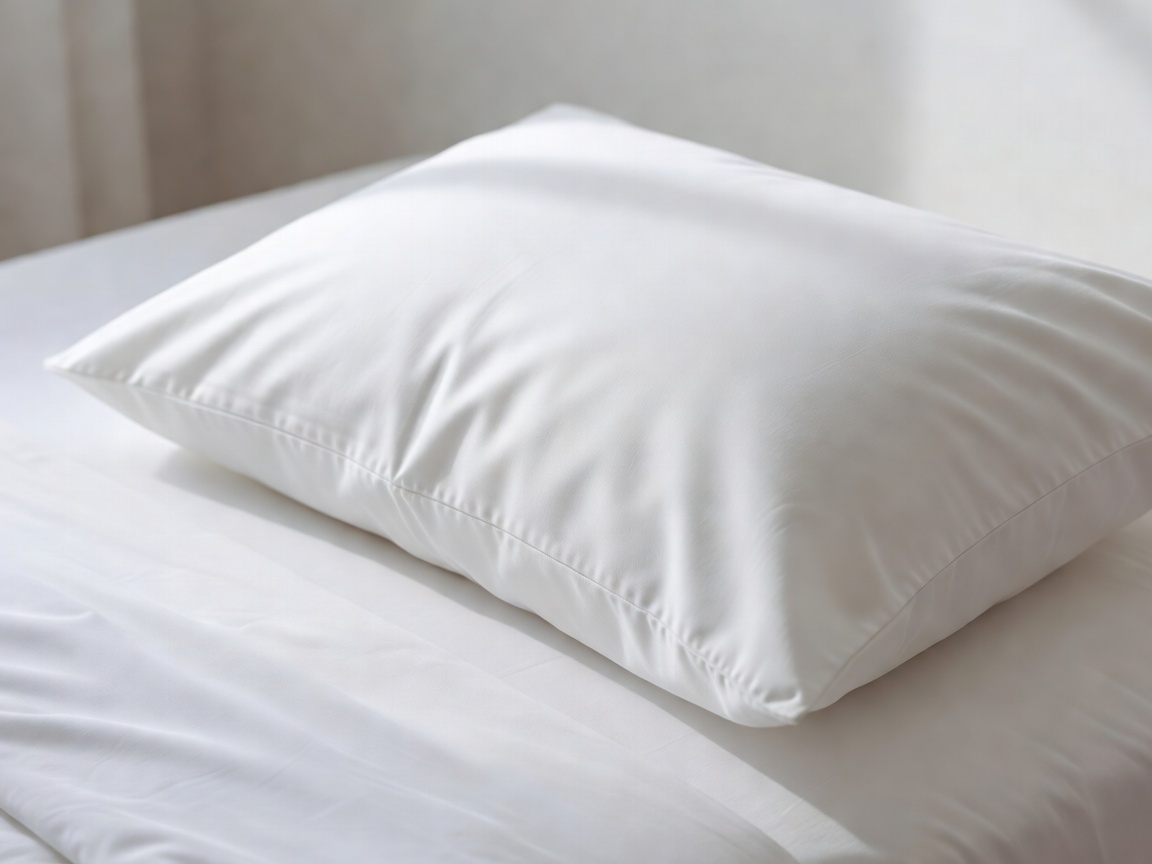
Pillowcases: change them a couple of times a week, and use white if you use benzoyl peroxide — it bleaches coloured fabric.
Phones and helmets: wipe screens and chin straps; friction and pressure cause spots along the jaw.
- Makeup is fine. Choose products labelled non-comedogenic and remove them at night. Hiding a spot you feel self-conscious about is completely reasonable.
- Hair products: keep heavy oils and pomades off the forehead and hairline.
- After sport: rinse off sweat when you can, but there is no need to scrub.
- Picking: if you catch yourself doing it, cover the spot with a hydrocolloid patch. Keeping nails short helps. Compulsive skin picking is a recognised condition and worth raising with a GP.
- Food: a varied diet lower in sugary, refined foods may help some people. Cutting whole food groups based on guesswork usually does not.
Body acne
The same rules apply to the chest and back. A benzoyl peroxide wash left on for a minute or two before rinsing reaches places a gel cannot. Loose, breathable clothing helps. Persistent body acne is a good reason to see a doctor, since it is more likely to scar.
Give it time
Most treatments need 8 to 12 weeks. Take a photo in the same light on day one and again at week twelve. Daily mirror checks are discouraging and unreliable; the photos tell the real story.