Benzoyl peroxide, salicylic acid and more
The products that actually have evidence behind them, what each one does, and how to tell when it is time to ask for a prescription.
First, grade what you have
Doctors use several grading systems — the Leeds Acne Grading Technique and the US FDA's Investigator's Global Assessment are two. You do not need to be that precise. A rough grade tells you whether to start at the pharmacy shelf or the doctor's office.
| Grade | What you see | Typical starting point |
|---|---|---|
| Mild | Mostly blackheads and whiteheads, a few small red spots | Over-the-counter salicylic acid, benzoyl peroxide or adapalene |
| Moderate | Many red bumps and pus spots, some marks appearing | Benzoyl peroxide plus a retinoid; see a doctor if no change in 12 weeks |
| Severe | Deep, painful nodules or cysts, widespread on face or body | See a doctor promptly; prescription combinations, oral treatment, possible isotretinoin referral |
| Scarring | Any grade that leaves pits or raised scars | See a doctor regardless of how many spots you have |
 Moderate
Benzoyl peroxide
Kills C. acnes by flooding the pore with oxygen. Bacteria do not become resistant to it. A 2.5% strength works about as well as 10% for many people, with less dryness. It bleaches towels and pillowcases, so use white ones.
 Mild
Salicylic acid
An oil-soluble beta hydroxy acid (0.5–2%) that loosens the glue between dead cells inside the pore. Best for blackheads and whiteheads. Gentler than most, but it will not do much for deep red bumps.
 Plugs
Adapalene and other retinoids
Vitamin A derivatives that normalise how follicle cells shed, so fewer plugs form. Adapalene 0.1% became available without prescription in the US in 2016. Tretinoin and tazarotene are prescription-strength cousins.
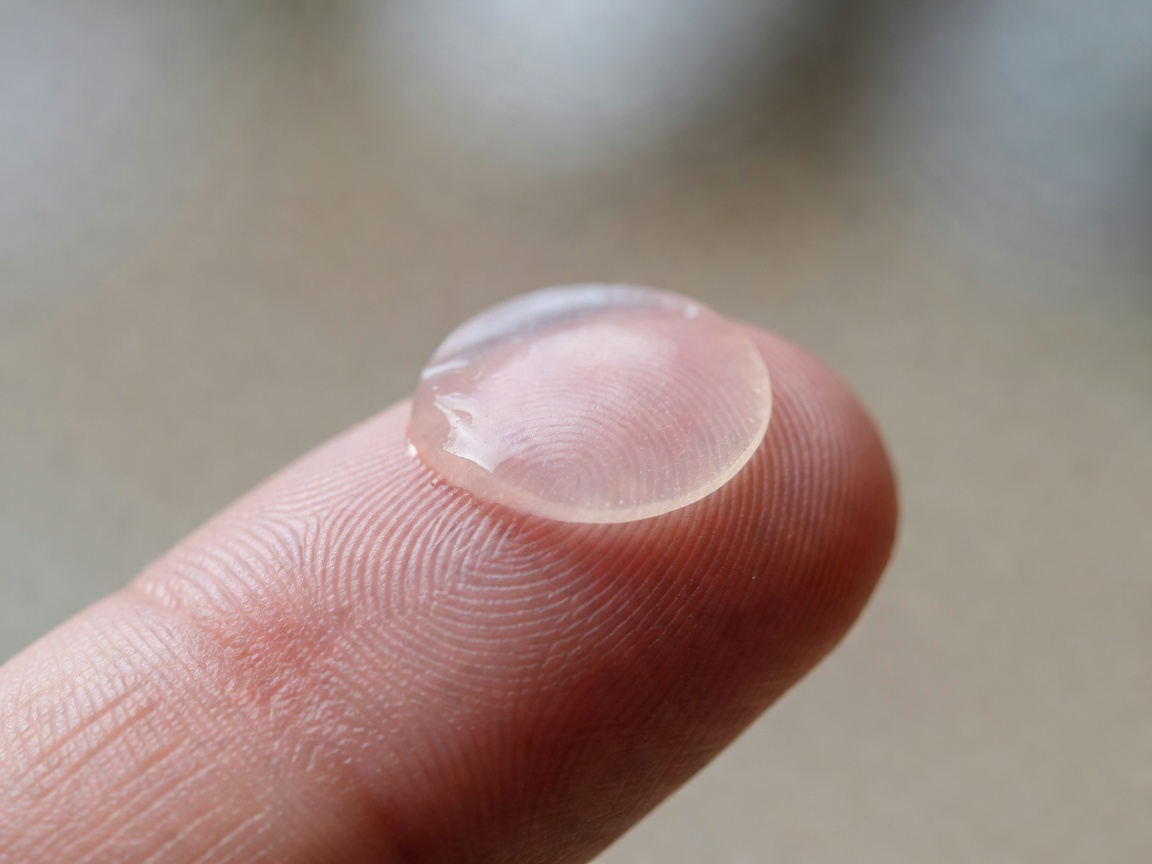 Spot
Hydrocolloid patches
Wound-dressing material cut into dots. They absorb fluid from an open spot, keep it moist so it heals cleanly, and — most usefully — stop you touching it.
The quieter options
Azelaic acid (15–20% on prescription, lower strengths in some cosmetic products) is anti-bacterial, anti-inflammatory and fades dark marks. It is often well tolerated by sensitive skin and is commonly used in pregnancy after a doctor's go-ahead.
Niacinamide can calm redness and support the skin barrier. It is a helpful sidekick, not a main treatment.
Tea tree oil has small studies showing modest benefit, but it is a frequent cause of irritation and allergy. Patch test first.
Pick one active, use it consistently for 12 weeks, then judge. Rotating products every week tells you nothing.
What a prescription adds
If over-the-counter care has not worked after about three months, or your acne is moderate to severe, a doctor can offer:
- Combination gels such as adapalene with benzoyl peroxide, or clindamycin with benzoyl peroxide. Topical antibiotics should not be used alone, because bacteria become resistant.
- Oral antibiotics like lymecycline or doxycycline, usually for a limited course of around three months, always alongside a topical treatment.
- Hormonal treatment for some women: certain combined contraceptive pills, or spironolactone, which reduces the effect of androgens on oil glands.
- Isotretinoin, the strongest option, for severe or scarring acne. It shrinks oil glands and can lead to long-term clearance. It causes serious birth defects, so strict pregnancy prevention programmes apply (iPLEDGE in the US, a Pregnancy Prevention Programme in the UK and EU), and mood should be monitored. It is prescribed by or under a dermatologist.
How to start without wrecking your skin
Begin with a pea-sized amount for the whole face, every second or third night, on dry skin. Increase as tolerated. Expect some dryness and, with retinoids, a possible early flare called "purging". If you get burning, swelling or hives, stop and get advice.
Benzoyl peroxide and tretinoin can be used together, but older tretinoin formulas may be broken down by benzoyl peroxide — use them at different times of day unless the product is designed as a combination.